Living In Paradise Valley: Privacy, Views, And Desert Elegance
June 4, 2026
June 4, 2026
If you are looking for a place that feels quiet, private, and distinctly Arizona, Paradise Valley stands apart. Many buyers want more than a beautiful house. They want space, mountain views, and a setting that feels calm without losing access to everyday comforts. In Paradise Valley, those priorities are built into the town itself. Let’s take a closer look.
One of the clearest reasons Paradise Valley feels different is its low-density residential character. The town describes itself as a premier, largely residential community, and its planning framework is centered on preserving a primarily one-acre residential pattern, natural open space, and community aesthetics.
That matters when you picture daily life. Much of the town is zoned R-43, which generally requires lots of at least one acre, and the residents guide notes that Paradise Valley is primarily zoned for single-family residential use with one home allowed per lot. In simple terms, that creates more breathing room between homes and helps support the estate feel many buyers associate with the area.
Privacy here is not just about lot size. The town also notes that building and zoning practices can be more restrictive than in other communities, with approvals required for items such as hillside construction, remodeling, outdoor lighting, walls, fences, lot disturbance, and landscaping.
For you as a buyer or homeowner, that means the visual character of the town is shaped by review and long-term planning. The result is a community where privacy, low density, and a more controlled streetscape are reinforced by policy as well as by property design.
Paradise Valley is closely tied to its desert setting, and that backdrop is a major part of its appeal. The Paradise Valley Mountain Preserve Trust exists to acquire, maintain, preserve, and protect land on and around the Mountain Preserve within town boundaries, including areas on Mummy Mountain, Camelback Mountain, and the Phoenix Mountain Preserve area.
The trust also states that its goal is to preserve the natural landscape, desert plants, wildlife, and scenic beauty of Paradise Valley’s mountain areas. It notes that the Mountain Preserve land atop Mummy Mountain is about 320 acres. That focus helps explain why mountain views and desert scenery remain such an important part of the Paradise Valley experience.
This is not a place where the landscape feels like an afterthought. Town policies and preserve efforts reflect a clear priority to protect open space, hillside areas, and desert vistas. For many homeowners, that means your surroundings can feel just as meaningful as the home itself.
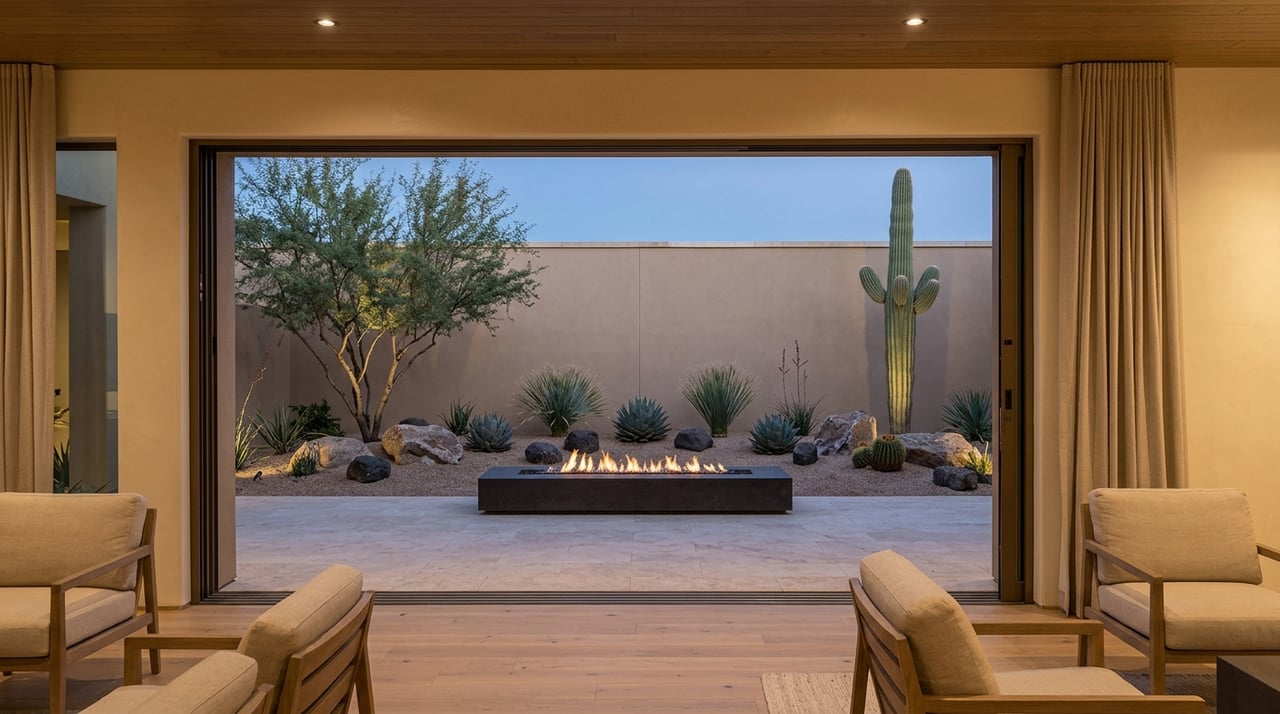
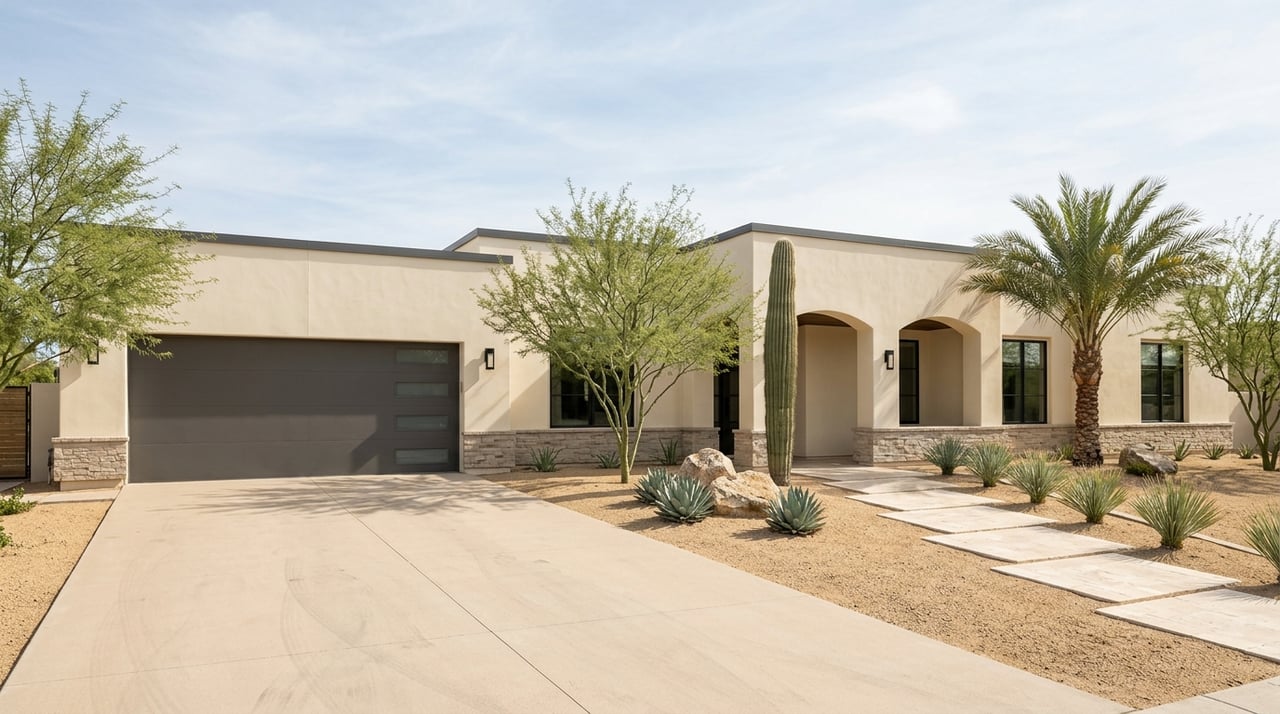
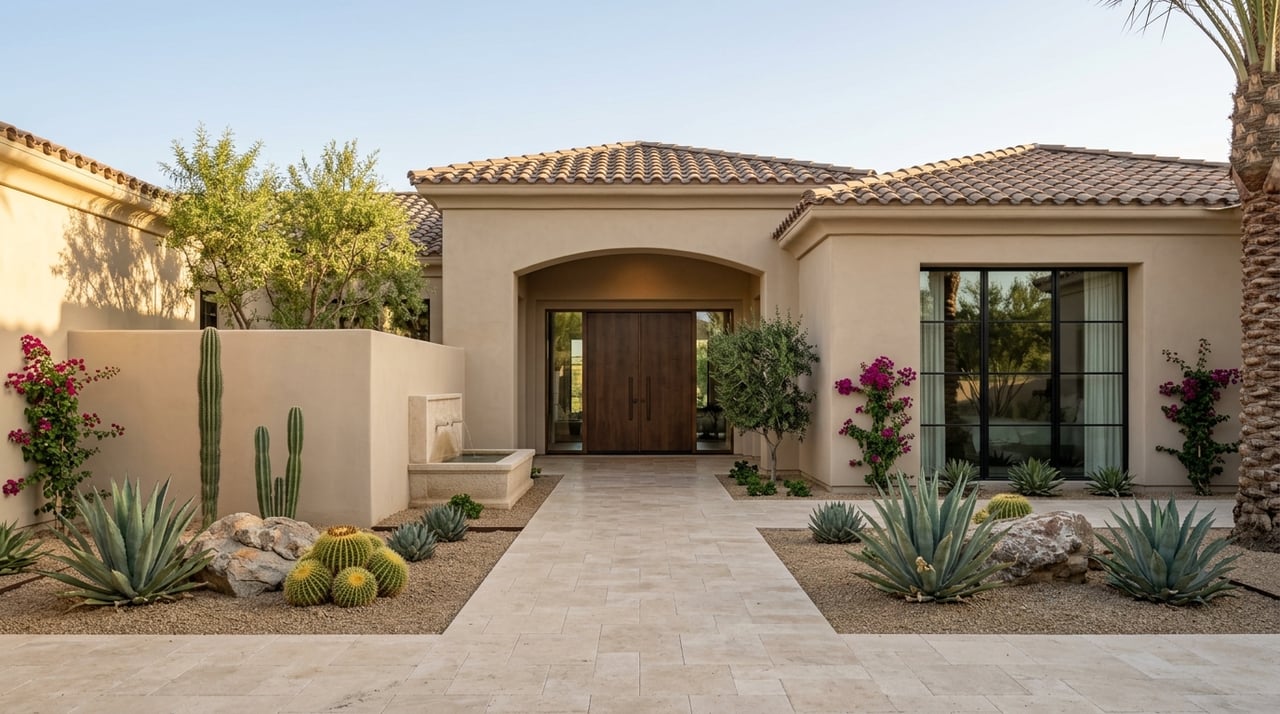
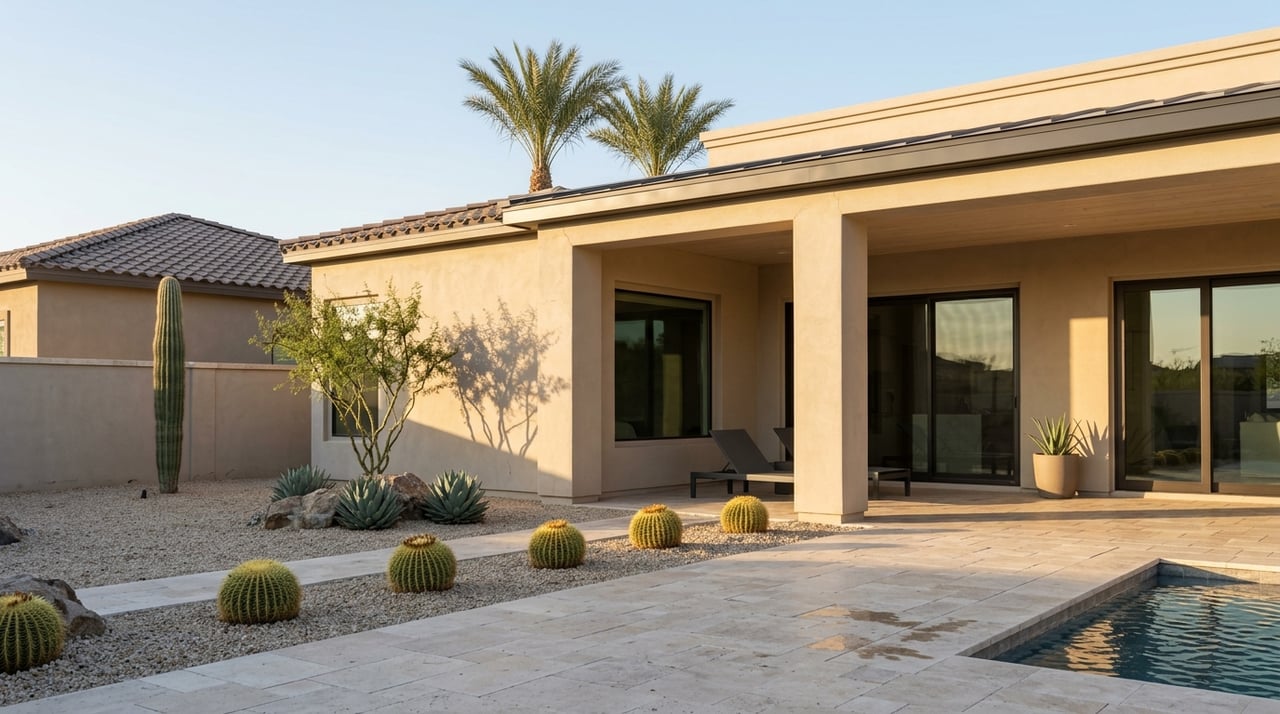
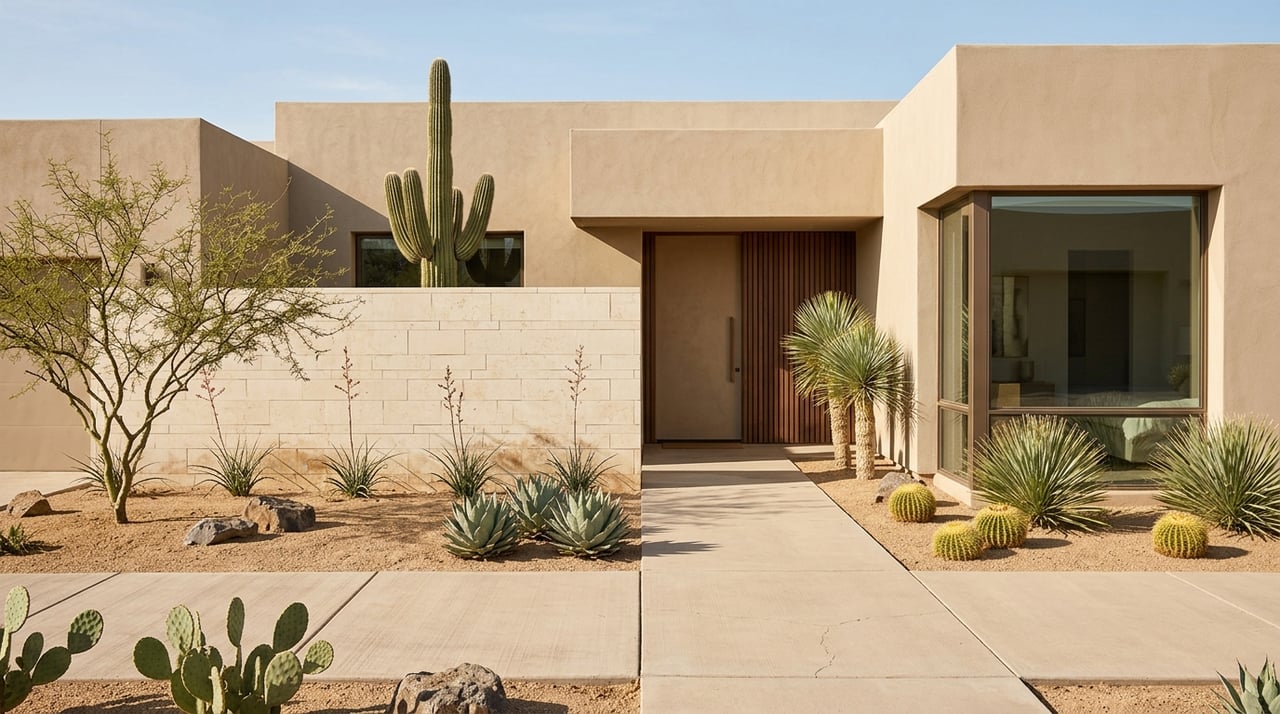
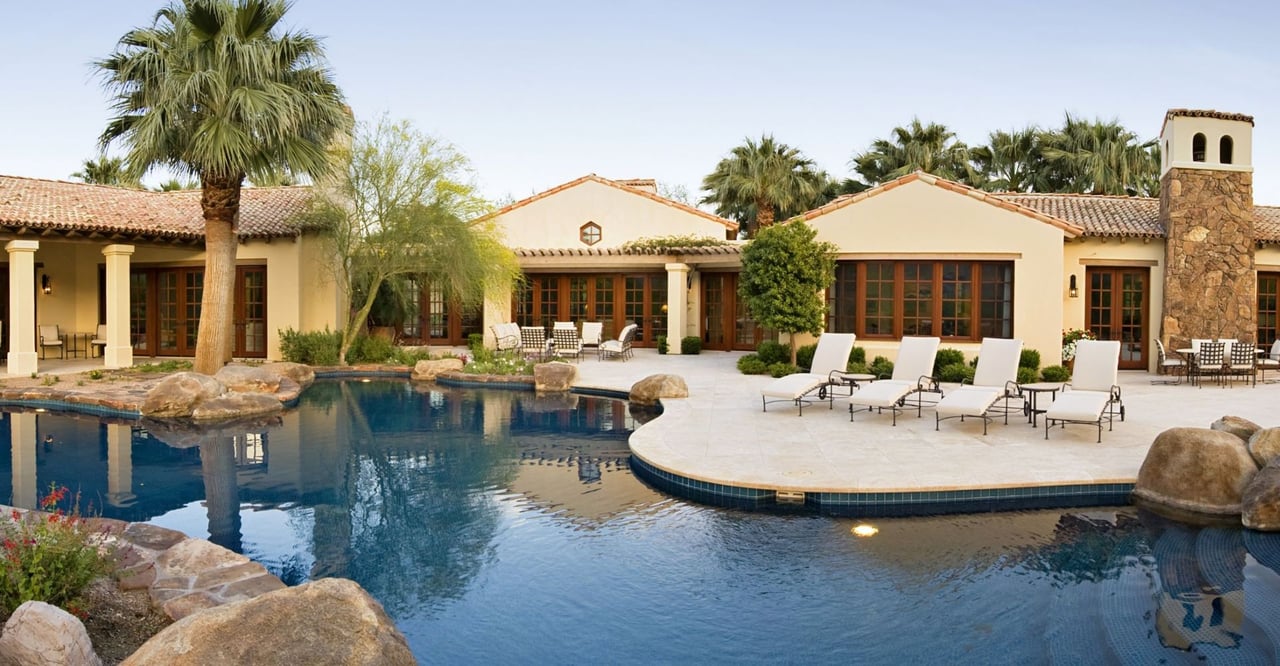
Paradise Valley is often associated with luxury, but its style tends to feel understated rather than flashy. The setting does much of the work, with broad lots, mountain backdrops, mature desert landscaping, and homes that are designed to sit comfortably within the natural environment.
That is part of what gives the town its sense of desert elegance. Instead of a busy urban feel, you get a more residential atmosphere where space, quiet, and scenery create the tone. For buyers seeking a refined Arizona lifestyle, that balance can be a big draw.
Another reason Paradise Valley stands out is the way resort living blends into a residential setting. The town’s official resorts directory includes Camelback Inn, Hermosa Inn, Mountain Shadows, Omni Montelucia Resort and Spa, Sanctuary Camelback Mountain, Scottsdale Plaza Resort, SmokeTree Resort, and Andaz Scottsdale Resort and Bungalows.
At the same time, Paradise Valley remains residential first. The town’s land-use framework allows non-residential uses like resorts and golf courses only through a public Special Use Permit process, which helps explain why resort amenities exist here without changing the overall estate-oriented feel of the community.
For you, this creates a unique lifestyle mix. You can enjoy a quieter home environment while still being close to spa, dining, golf, and hospitality destinations that shape the area’s well-known luxury appeal.
Buyers often compare Paradise Valley with Scottsdale and Phoenix, and the differences are worth understanding. Scottsdale’s official materials highlight tourism, arts and culture, downtown activity, events, restaurants, retail, galleries, and major recreation assets. Phoenix, by contrast, operates on a much larger scale, with more than 1.6 million residents, thousands of miles of streets, extensive desert parks, and more than 200 miles of trails.
Paradise Valley offers a different experience. Official town materials point to a quieter, lower-density, more controlled residential environment with limited special uses and a strong focus on preserving open space and scenic character. If you want an address that feels more secluded and estate-oriented, Paradise Valley is often in a category of its own.
If Paradise Valley is on your shortlist, it helps to understand what makes the town work the way it does. The same features that create privacy and visual consistency can also mean more detailed rules around property changes and site design.
Here are a few practical points to keep in mind:
For a buyer, these points are not just background details. They shape how the town looks, how properties relate to one another, and how Paradise Valley maintains its identity over time.
A Paradise Valley home is about more than square footage. It is about whether you want space around you, a quieter residential setting, and a stronger connection to desert scenery and mountain views.
Some buyers prefer a more active urban rhythm with a denser mix of shopping, entertainment, and commercial activity. Others want a place that feels more sheltered and residential, with resort access nearby but not at the center of daily life. Paradise Valley tends to speak to that second group.
Because Paradise Valley has a distinct identity, buying here often requires a careful, property-specific approach. Lot configuration, mountain positioning, privacy, town review considerations, and surrounding uses can all affect how a home lives and how it may fit your goals.
That is where local guidance matters. When you understand both the lifestyle side and the practical side of a purchase, you are in a much better position to choose a home that fits how you want to live now and over time.
If you are considering a move to Paradise Valley or preparing to sell in this market, working with an advisor who understands luxury positioning, neighborhood nuance, and transaction strategy can make the process smoother. Cassandra Cook brings local market knowledge, refined guidance, and finance-informed insight to help you navigate Arizona real estate with confidence.
Stay up to date on the latest real estate trends.
Cassandra Cook
Address
8388 E Hartford Dr Ste 100
Scottsdale AZ 85255