Why You Can't Just Walk Into Paradise Valley's Own Art Museum
October 1, 2026
October 1, 2026
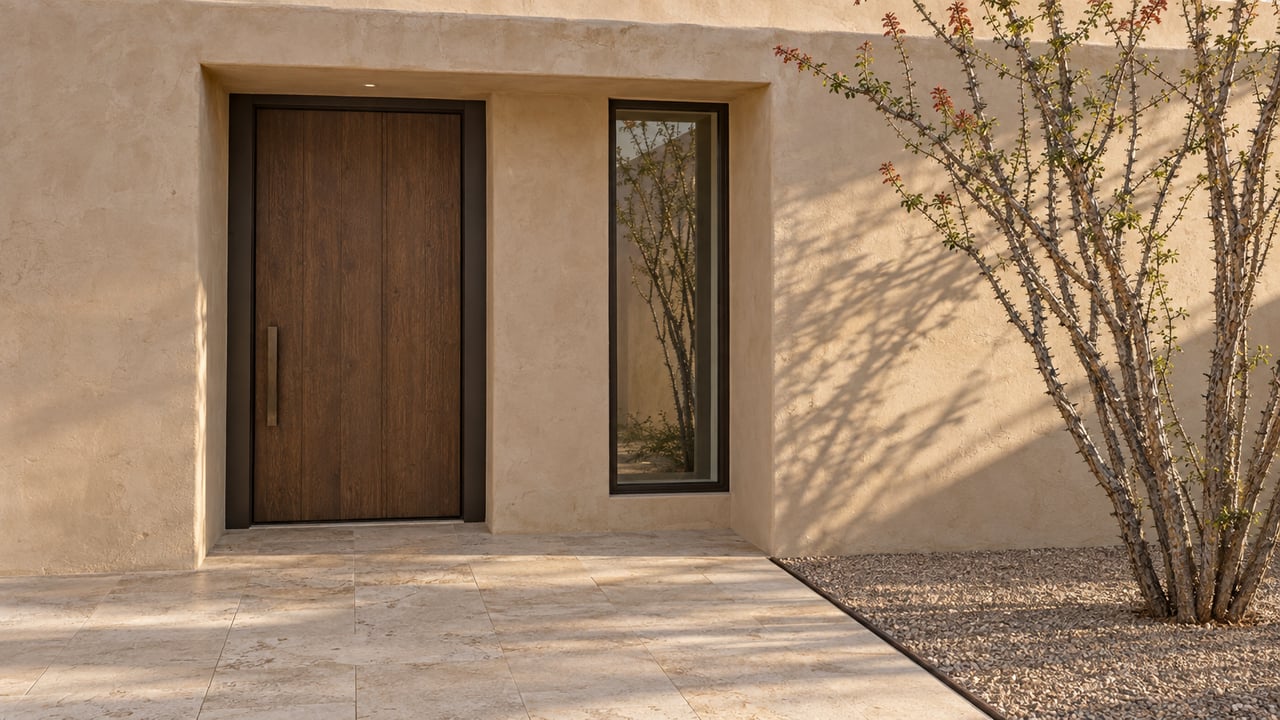
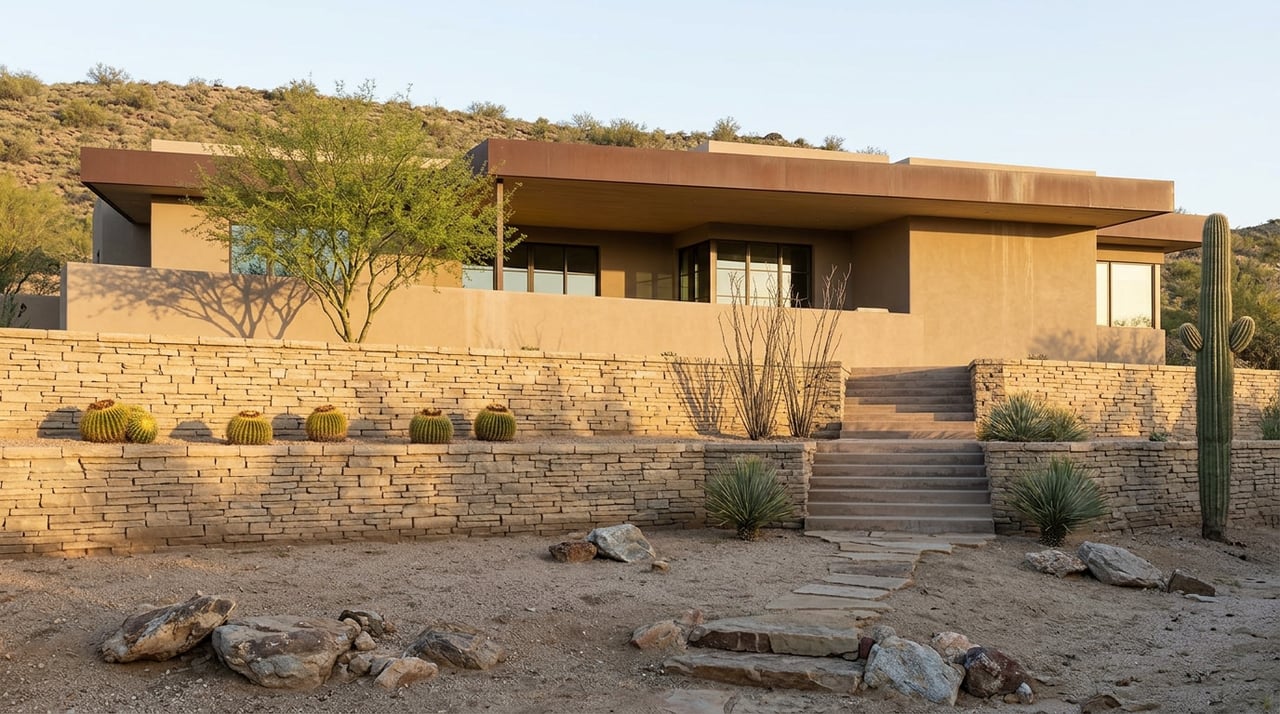
On McDonald Drive, in a stretch shadowed by Camelback Mountain, sits a low building of poured concrete and glass. No sign announces what happens inside. It has been there since 2007, when sculptor and painter Agnese Udinotti opened it as the Udinotti Museum of Figurative Art, with the doors formally welcoming visitors the following year.
Search for the place online and you'll find two contradictory versions of it. One describes scheduled tours, a modest entrance fee, and a pair of exhibitions each year. The other, on Wikipedia, states flatly that the museum "is not open to the public for tours." Both are, in their own way, correct. That contradiction is the most interesting thing about a museum most people in Paradise Valley have driven past for years without knowing what it holds.
As Images Arizona reported, Udinotti moved to Arizona from Greece in 1958 to study fine arts at Arizona State University, later adding a master's degree in art history. In 1964 she opened her first gallery in a converted Scottsdale barn, at a time when the area was still mostly fields. By 1999 she had bought a historic Paradise Valley house and built a studio beside it. That studio grew into a personal collection, and by 2006 she had decided the collection deserved its own institution: a place built specifically around the human figure as subject, rather than around any particular period or medium.
That focus is unusual. Most art museums organize around geography, era, or movement. Udinotti's is organized entirely around one question: how artists across history have chosen to depict the human form. The building itself runs on that same instinct toward restraint. Rather than expand outward and compete with the desert around it, Udinotti built a courtyard and an underground gallery specifically so the new structure would not block the view of Camelback Mountain. In a town where low-profile design against a mountain backdrop shows up again and again, a private art museum choosing to dig down rather than build up is a small but telling data point.
At its fullest, the permanent collection ran to roughly 3,000 pieces spanning nearly 3,500 years: Egyptian amulets dating to 1500 BCE, African masks, Japanese woodblock prints, and works by contemporary figurative artists including Leonel Gongora and Leonard Baskin. That range was the whole point. A visitor could trace how the human body has been rendered from antiquity to the present inside a single 6,500 square foot cement and glass structure.
Most of that original collection has since moved on. It was donated to Hillsdale College, where it now supports an ongoing scholarship fund at the Michigan school. That's a detail worth sitting with if you've assumed the building on McDonald Drive still holds the same 3,000-piece survey it once did. It doesn't. What remains functions more as a working gallery and event space built around Udinotti's own art and rotating loaned exhibitions, rather than a fixed permanent collection open for casual browsing.
For years the museum ran on a simple rhythm: one exhibition in March, typically a juried show of local artists' work, and one in November built around how a specific culture or historical period portrayed the human figure. That cadence has expanded somewhat since. More recent programming runs closer to three or four events a year, including special exhibitions, workshops, and occasional panel discussions, but the underlying model hasn't changed. This isn't a museum trying to maximize foot traffic. In the years a local magazine profiled Udinotti directly, only 300 to 500 people saw the inside of the building annually, and personal tours ran on Sundays and Mondays by appointment, at a nominal per-person fee.
Udinotti herself has been direct about her approach to the work inside those walls. "Don't reproduce something that already exists," she told Images Arizona of her own process. "If it already exists, why on earth reproduce it?" That same logic seems to extend to how she runs the museum. It was never built to be a stop on a self-guided tour. It was built to be found on purpose.
If the building on McDonald Drive has caught your eye, the way in hasn't changed much from how it's always worked. Visits are arranged directly with the museum by phone or email rather than through a ticket counter or a posted schedule, and the museum can be reached at 480-946-7056. The museum also offers tiered memberships for people who want a standing connection to its exhibitions and events rather than a one-time visit. For most people, the practical path is timing a call around the museum's spring or fall exhibition season, when there's an actual show to see rather than a private studio to request access to.
None of this makes the Udinotti Museum secretive in any sinister sense. It makes it something rarer in a valley full of resort galleries and open-house art walks: an institution that decided early on to stay small, stay appointment-based, and let the work speak for itself rather than compete for foot traffic. The building you've passed on McDonald Drive isn't closed. It's just never been trying to get your attention.
If you're the kind of person who notices a building like this and wants to know its story before you know its market value, that instinct is exactly what makes Paradise Valley worth paying attention to street by street. Cassandra Cook spends as much time tracking the small landmarks that define this town as the homes inside it, and is always glad to talk through what else is hiding in plain sight here.
Stay up to date on the latest real estate trends.
Cassandra Cook
Address
8388 E Hartford Dr Ste 100
Scottsdale AZ 85255