What Paradise Valley Luxury Market Trends Mean Now
July 2, 2026
July 2, 2026
If you are watching Paradise Valley from the sidelines, the luxury market can feel hard to read. Prices are still high, but homes are not moving with the same speed or pressure many buyers and sellers saw in hotter markets. The good news is that the current data gives you a clearer picture of what is happening and how to respond. Let’s dive in.
Paradise Valley remains one of Arizona’s most expensive housing markets, but it is also a more selective market than many people expect. Public data from Redfin, Zillow, and Realtor.com all point to the same broad trend as of May 2026: pricing is elevated, inventory has opened up, and buyers have more negotiating room than they did in a tighter seller’s market.
The exact numbers vary by platform because each one measures the market a little differently. Even so, the overall story is consistent. Paradise Valley is not a distressed market, but it is not a broad bidding-war market either.
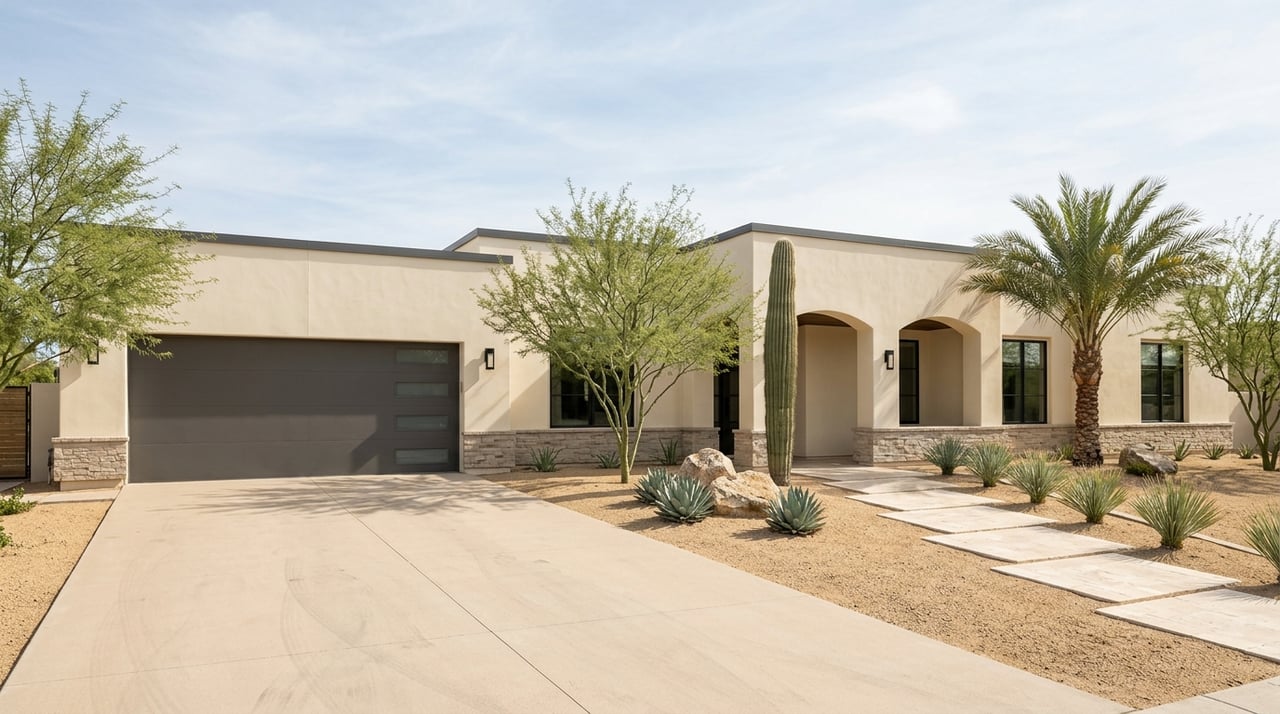
Paradise Valley has a built-in reason for behaving differently from other nearby markets. According to the town, it is primarily zoned for single-family residential use with one home per lot, and much of the town is zoned R-43, which generally means at least one acre per lot.
That low-density setup matters. It helps limit supply, supports privacy, and makes lot position, views, and exact location more important than they might be in a denser luxury market. It also means Paradise Valley often functions as a collection of micro-markets instead of one uniform market.
Inventory is available, but the number of active listings depends on where you look. Zillow reported 213 homes for sale and 29 new listings as of May 31, 2026, while Realtor.com showed 362 homes for sale in May 2026.
Those figures should be read directionally, not as interchangeable counts. What matters most is the trend: buyers have more choice than they did before, and sellers are facing a market where standing out takes more than simply being in Paradise Valley.
Realtor.com also reported active listing growth of 10.65% year over year. In a low-density luxury market, that kind of increase can shift leverage toward buyers, especially when demand becomes more selective.
Paradise Valley pricing remains firmly in luxury territory. Redfin reported a median sale price of $4,446,839 for the three months ending in May 2026, up 3.4% year over year. It also reported a median sale price per square foot of $885, up 1.6%.
Zillow’s figures were different, with a typical home value of $3,519,651, up 11.9% year over year, and a median sale price of $3,684,667. Realtor.com placed the median listing price at $4,999,500 for May 2026.
These differences do not mean the data is conflicting. They show that different platforms use different methods and time windows. The bigger takeaway is simple: Paradise Valley home values are still high, but sellers cannot assume a luxury price tag alone will carry a deal.
One of the clearest signs of today’s market is the gap between asking prices and closing prices. Zillow reported a 0.963 median sale-to-list ratio, with 82.4% of sales closing under list price and only 1.8% above list.
Realtor.com showed a similar pattern, reporting homes sold about 4.72% below asking on average and a 95% sale-to-list ratio. That tells you buyers are often succeeding in negotiations, especially when a home has been sitting or enters the market at an ambitious price.
For sellers, this is a reminder that first-list pricing matters. For buyers, it suggests there may be room to negotiate on price, repairs, or credits, depending on the property and timing.
The pace of the market has clearly cooled compared with the prior year. Redfin reported that homes in Paradise Valley sold after 91 days on market on average, up from 66 days a year earlier. Realtor.com showed a similar 87-day median days on market figure.
That slower pace changes the experience for both sides of the transaction. Buyers usually have more time to evaluate options, compare properties, and negotiate carefully. Sellers need to plan for a longer marketing window and a more patient process.
Redfin also noted that the market is not very competitive, with multiple offers being rare overall. The average home sold for about 6% below list price, although standout properties could still go pending in about 34 days and sell around list price.
A slower market does not mean demand has disappeared. Redfin reported 109 homes sold in May 2026, up from 99 a year earlier, which shows that buyers are still active.
What has changed is how selective they are. Redfin also reported that 42.1% of listings had price drops and only 4.7% sold above list price. That pattern suggests buyers are engaging, but they are rewarding homes that are priced and presented well.
This is an important distinction in Paradise Valley. Demand still exists, but it is targeted rather than broad. Buyers are often willing to move quickly for the right property, but not for one that feels overpriced relative to recent comparable sales.
It helps to compare Paradise Valley with nearby Scottsdale, since the two are often discussed together. Redfin reported Scottsdale at 63 days on market and a 96.6% sale-to-list ratio, compared with Paradise Valley at 91 days and 94.6%.
That tells you Paradise Valley is currently slower and more negotiable. So if you are trying to make sense of the local luxury market, broad Scottsdale or metro Phoenix headlines may not reflect what is happening in Paradise Valley.
This is where local context becomes especially valuable. In a market like this, broad trends matter, but property-specific factors often matter more.
If you are buying in Paradise Valley, today’s market gives you more room to be thoughtful. Longer days on market, more price reductions, and under-list closings all suggest that patience can work in your favor.
You may have leverage to negotiate price improvements, repairs, or seller concessions, especially on a property that has lingered. That is not a guarantee on every listing, but the overall market data supports a more measured buying strategy than in a highly competitive environment.
This also means you can compare options more carefully. Because Paradise Valley behaves like a set of micro-markets, details like lot size, view corridor, privacy, and exact location can have a major effect on both value and long-term fit.
If you are selling in Paradise Valley, the market still supports strong pricing, but not careless pricing. Luxury branding alone is not enough when buyers have more choices and more time to evaluate them.
The most important steps are accurate pricing, standout presentation, and a realistic timeline. In a market where many homes are closing below list and nearly half of listings have seen price drops, the first pricing decision can shape the entire selling experience.
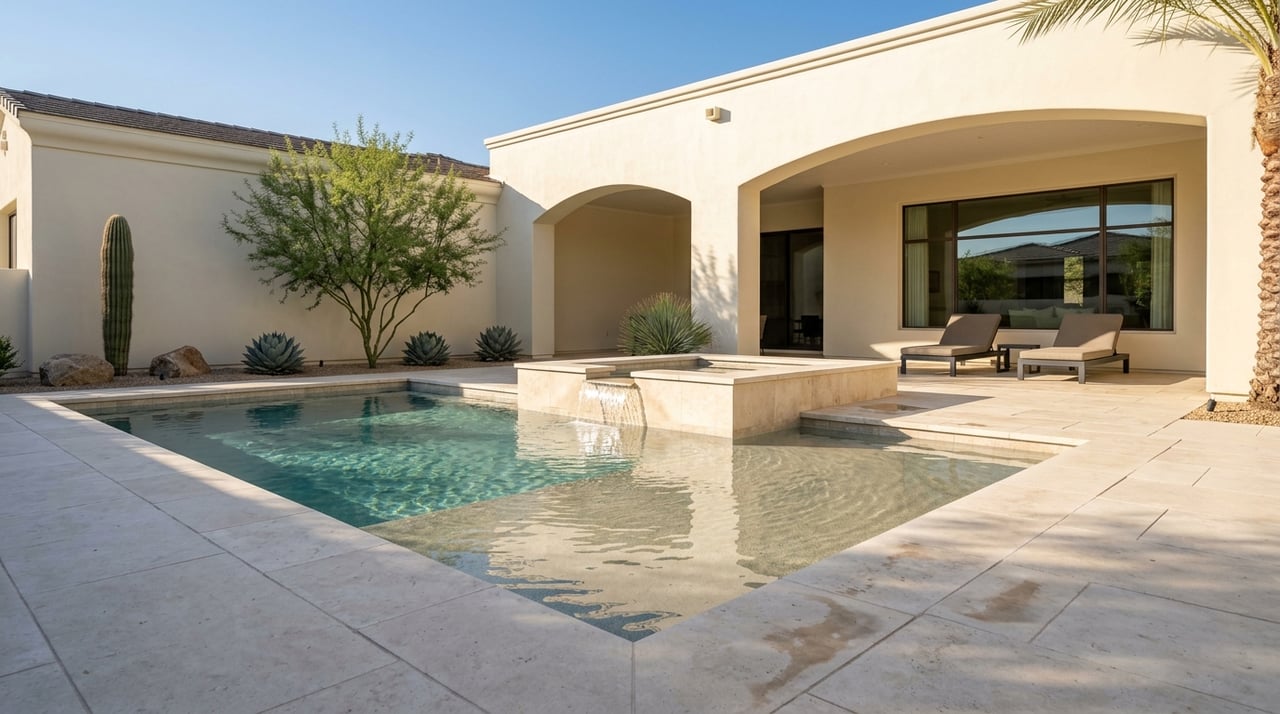
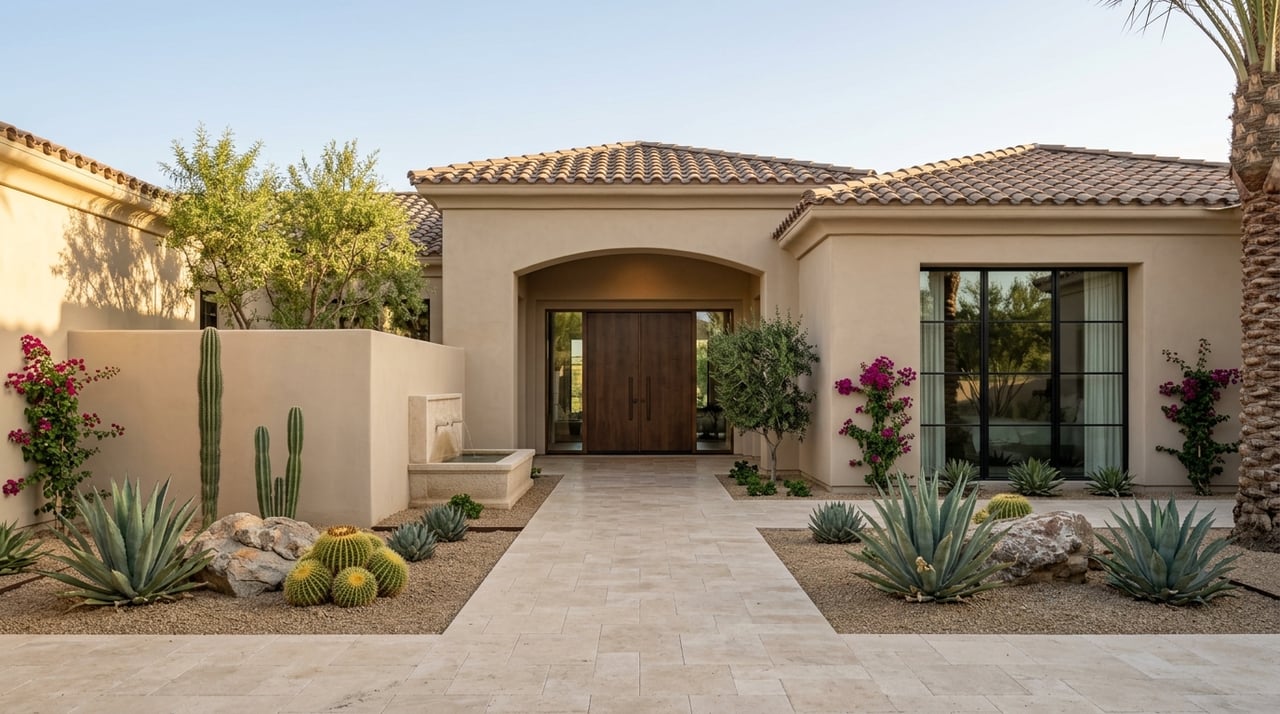
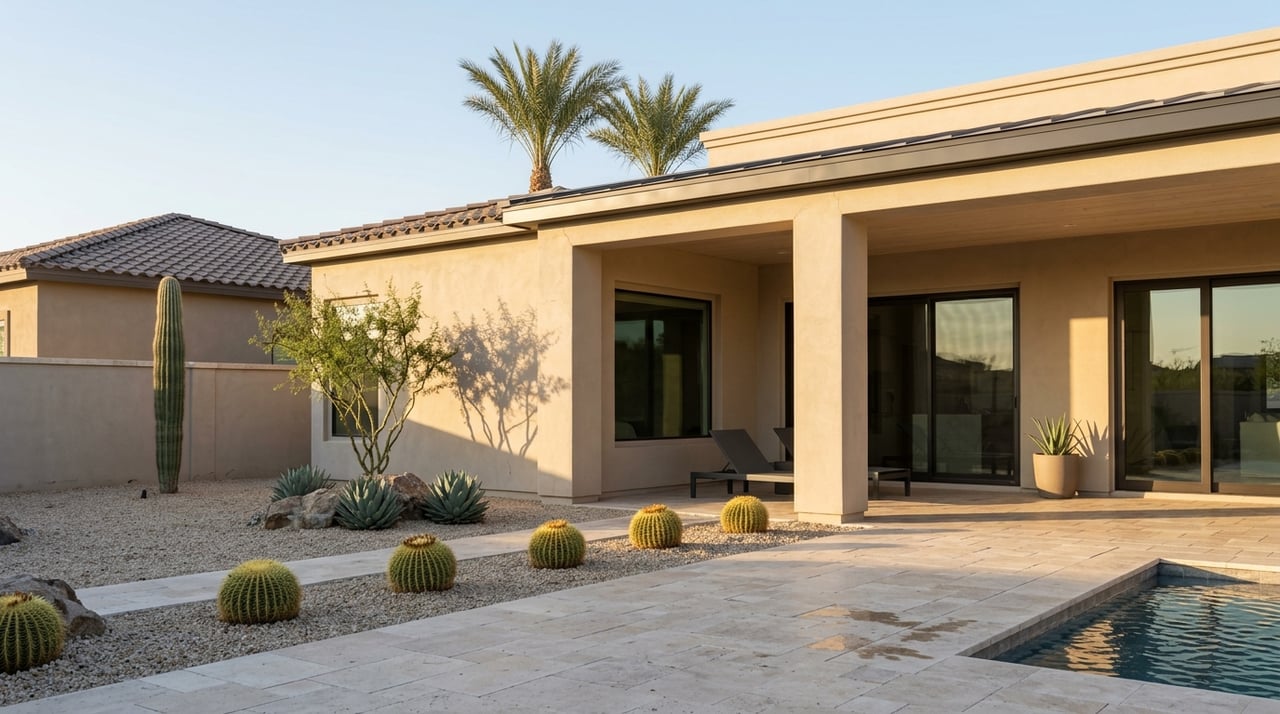
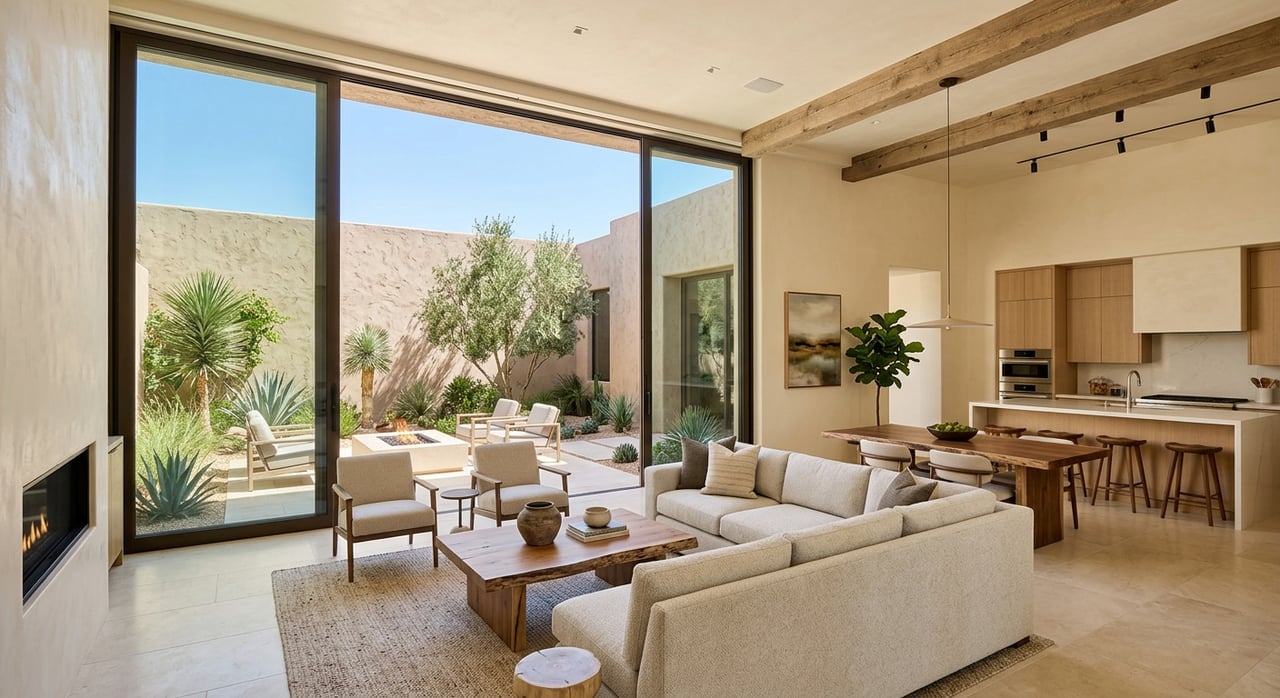
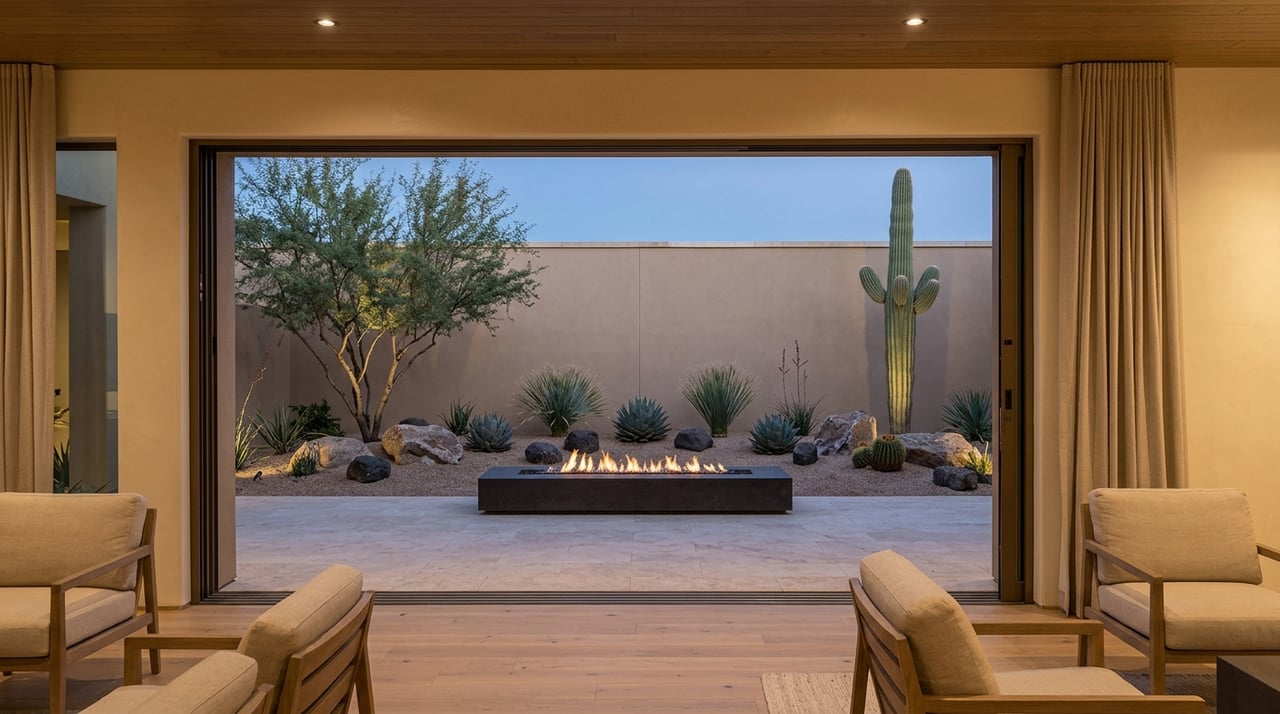
This is also where tailored marketing matters. A home with exceptional photography, polished video, and clear visual storytelling has a better chance of capturing attention early, especially in a market where unique homes compete against other unique homes.
Paradise Valley is not one big luxury bucket. Realtor.com’s neighborhood-level breakdown shows that some enclaves have only a handful of listings at a time, which means inventory can be extremely limited within a specific pocket.
That is why comparable sales need to be handled with care. Two homes may share a Paradise Valley address but offer very different value based on lot placement, views, orientation, and surrounding inventory.
For buyers, this means looking beyond the headline price. For sellers, it means your pricing and marketing strategy should reflect your exact segment of the market, not just the town name.
The Paradise Valley luxury home market in 2026 is best understood as high-priced, selective, and negotiated. Values remain elevated, but homes are taking longer to sell, buyers have meaningful leverage, and pricing discipline matters more than ever.
If you are buying, this can be a favorable window to move with patience and negotiate carefully. If you are selling, success often comes from combining strategic pricing with strong presentation and a clear understanding of your micro-market.
If you want experienced guidance on buying or selling in Paradise Valley, Cassandra Cook offers local insight, strategic pricing support, and finance-informed advice tailored to Arizona’s luxury market.
Stay up to date on the latest real estate trends.
Cassandra Cook
Address
8388 E Hartford Dr Ste 100
Scottsdale AZ 85255